Where To Look For Signs Of Hidden Plumbing Damage
Plumbing issues are not always obvious, and many homeowners only become aware of a problem once water damage is visible or everyday routines are disrupted. Hidden leaks can form behind walls, beneath floors or within ceilings, allowing moisture to spread slowly without immediate signs. Over time, this concealed damage can affect structural materials, insulation and indoor air quality. What begins as a minor leak can quietly escalate into a larger issue if left unchecked.
Recognising early warning signs helps reduce the risk of costly repairs and long-term damage. For homeowners seeking a plumber in Kiama, knowing where to look and what subtle changes to watch for can make a meaningful difference. Early awareness supports timely intervention and helps protect the property while maintaining a safe and comfortable living environment.
Why Hidden Plumbing Damage Often Goes Unnoticed
Hidden plumbing damage is easy to miss because it develops out of sight. Pipes concealed behind walls or beneath flooring can leak for extended periods before visible symptoms appear. During this time, moisture may be affecting timber, plaster, insulation or foundations without drawing attention to itself.
Several factors contribute to delayed detection:
- Pipes are often located in inaccessible areas
- Small leaks may not affect water pressure immediately
- Moisture spreads gradually rather than suddenly
Daily water use often continues as normal, leading homeowners to assume everything is functioning correctly. By the time stains or odours appear, damage may already be well-established. Noticing subtle changes in the home early can help identify problems sooner and reduce the need for extensive repairs.
Subtle Signs Inside Walls & Ceilings
Walls and ceilings are common hiding places for plumbing infrastructure, making them key areas to observe. Early signs of moisture intrusion are often visual and may initially seem cosmetic rather than structural.
Common indicators include:
- Discoloured patches or water stains
- Bubbling or peeling paint
- Soft or warped plasterboard
These signs often worsen after rainfall or heavy water use. Moisture trapped inside wall cavities can also encourage mould growth, which may appear as dark spots or produce musty odours. Identifying these changes early allows plumbing issues to be addressed before they compromise wall integrity or indoor air quality.
What Your Bathroom Might Be Telling You
Bathrooms contain multiple water supply and drainage points, making them particularly vulnerable to hidden plumbing damage. Leaks can develop behind tiled walls, beneath vanities, or under shower bases and remain concealed for long periods.
Warning signs may include:
- Persistent dampness around fixtures
- Cracked grout or loose tiles
- Unexplained mould despite regular cleaning
Bathrooms are regularly exposed to steam and moisture, which can make plumbing-related issues difficult to distinguish from normal humidity. Dampness or mould that continues despite good ventilation may indicate an underlying leak. Left unaddressed, moisture can spread into wall cavities or flooring, increasing the risk of structural damage. Regularly checking bathroom surfaces and fittings helps identify changes early and reduces the likelihood of damage affecting nearby rooms or supporting structures.
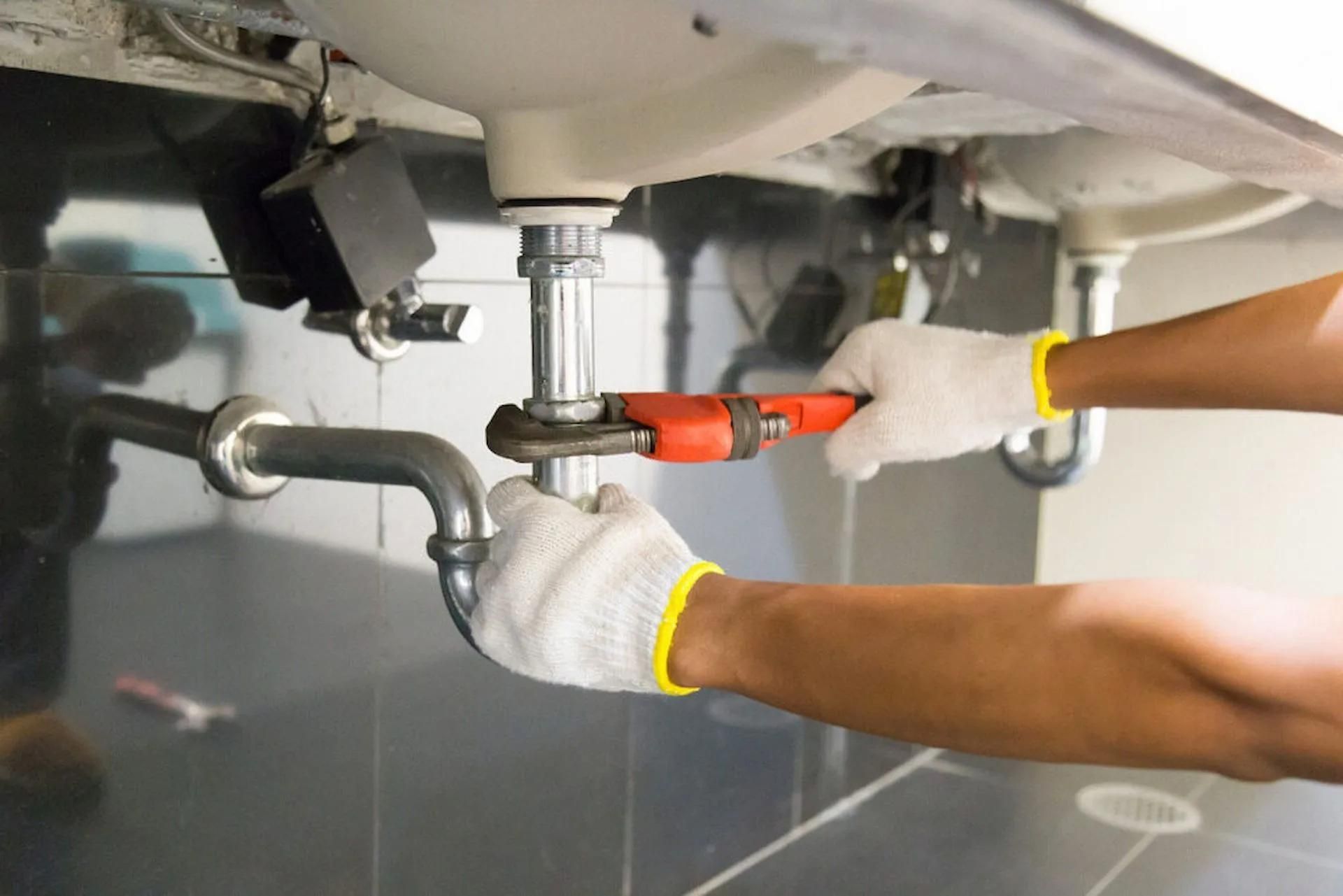
Under-Sink Areas That Deserve a Closer Look
Cabinets under kitchen and laundry sinks are common locations for hidden plumbing leaks. These enclosed spaces are rarely inspected, allowing moisture to build up slowly and go unnoticed.
Signs to watch for include:
- Swollen or discoloured cabinet bases
- Damp or musty smells when doors are opened
- Pooled water near pipe joints or fittings
Even a slow drip can cause significant damage over time, leading to warped cabinetry, damaged flooring, or mould growth. Because these areas are used daily, changes can be easy to overlook. Periodically checking under-sink cupboards for moisture, odours, or surface changes helps identify issues early. This simple maintenance habit can reduce the risk of costly repairs and limit damage spreading beyond the immediate area.
Unusual Noises & Pressure Changes in Pipes
Not all plumbing damage presents visually. Sounds and performance changes within the plumbing system can also indicate hidden issues. Pipes may react audibly when water flow is restricted or when pressure fluctuates.
Possible indicators include:
- Banging or rattling noises in walls
- Whistling or humming during water use
- Reduced water pressure at fixtures
These signs may suggest blockages, leaks, or pipe movement within walls. While occasional noise can be normal, persistent or worsening sounds warrant investigation. A professional assessment helps determine whether the issue is minor or part of a larger hidden problem.
How Small Leaks Escalate Over Time
Minor plumbing leaks often seem harmless initially, but their long-term effects can be significant. Continuous moisture exposure weakens building materials and creates conditions for mould growth.
Over time, small leaks can lead to:
- Structural timber deterioration
- Increased water bills
- Damage to electrical components
Leaks often worsen gradually, allowing damage to spread beyond the original source. Addressing plumbing issues early reduces the likelihood of widespread repairs and helps maintain the property’s overall condition.
Why Floors & Foundations Are High-Risk Areas
Plumbing beneath floors or within slabs poses unique risks. Leaks in these areas may go unnoticed until flooring materials begin to fail or structural movement occurs.
Potential warning signs include:
- Warped or lifting floorboards
- Cracks in tiles or grout
- Damp patches along floor edges
Water accumulating beneath floors can undermine foundations and affect load-bearing elements. Early detection is crucial to prevent long-term structural consequences. Regular inspections can help identify issues before they escalate.
When to Call a Plumber for Inspection
Knowing when to seek professional assistance helps prevent further damage. While minor issues may seem manageable, hidden plumbing damage often requires specialised equipment to locate and assess accurately.
Consider a professional inspection if:
- Signs persist or worsen over time
- Multiple symptoms appear across the home
- Water usage increases unexpectedly
Working with qualified plumbing services allows problems to be diagnosed efficiently and addressed appropriately. This proactive approach supports long-term property maintenance and reduces disruption.
Taking the Next Step
At SOS Hot Water & Plumbing Services, we assist homeowners across the Illawarra region in identifying and addressing hidden plumbing issues before they escalate. From subtle leaks to complex pipe inspections, our team provides practical solutions tailored to local housing conditions.
If you have noticed warning signs or want peace of mind about your plumbing system, we encourage you to
contact us and arrange an inspection with a trusted plumber in Kiama.