What To Expect During A Professional Plumbing Inspection
A professional plumbing inspection checks the condition, operation and visible signs of trouble across a property’s plumbing system. If you’re wondering what to expect during a plumbing inspection, a licensed plumber will typically assess fixtures, pipes, drainage, water pressure, hot water equipment and other accessible components to identify existing faults or potential concerns. For homeowners, buyers and property managers in Kiama, an inspection can provide a clearer picture of the plumbing before a minor problem develops into a disruptive repair.
What Is a Professional Plumbing Inspection?
A professional plumbing inspection is a systematic assessment of a property’s plumbing system. Rather than focusing on one obvious fault, such as a leaking tap or blocked drain, the plumber looks at the system more broadly to identify leaks, deterioration, drainage problems and components that may need attention. The exact plumbing inspection process depends on the property, its age, accessibility and any concerns raised beforehand. According to industry best practice, a plumber may combine visual checks with operational testing and, where appropriate, specialist diagnostic equipment.
For example, an older Kiama home may have plumbing materials or drainage infrastructure that warrants closer attention than the plumbing in a recently constructed property. Coastal conditions, previous renovations and the maintenance history of the home can also affect what the plumber needs to investigate. An inspection is not the same as repairing the plumbing. Its purpose is to establish what is happening, identify areas of concern and give the property owner or prospective buyer useful information about the next steps.
What a Plumber Checks During an Inspection
If you want to know what to expect during a plumbing inspection, it helps to understand that the plumber works through multiple parts of the system rather than checking a single fixture.
Depending on the property and scope of the inspection, a plumber Kiama property owners call may check:
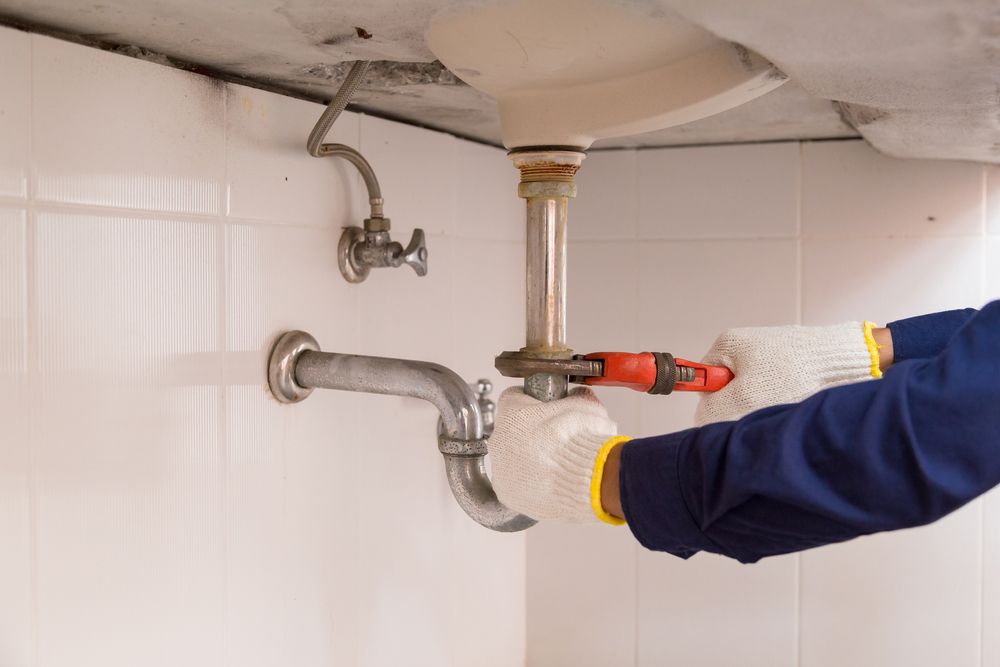
- Taps, mixers, showerheads and other fixtures for leaks or poor operation
- Toilets for leaks, flushing issues and signs of movement or deterioration
- Accessible water supply pipes and connections
- Water pressure and flow at relevant fixtures
- Sinks, basins, baths and showers for drainage problems
- Visible waste and drainage pipework
- Signs of water damage, moisture or previous leaks around plumbing fixtures
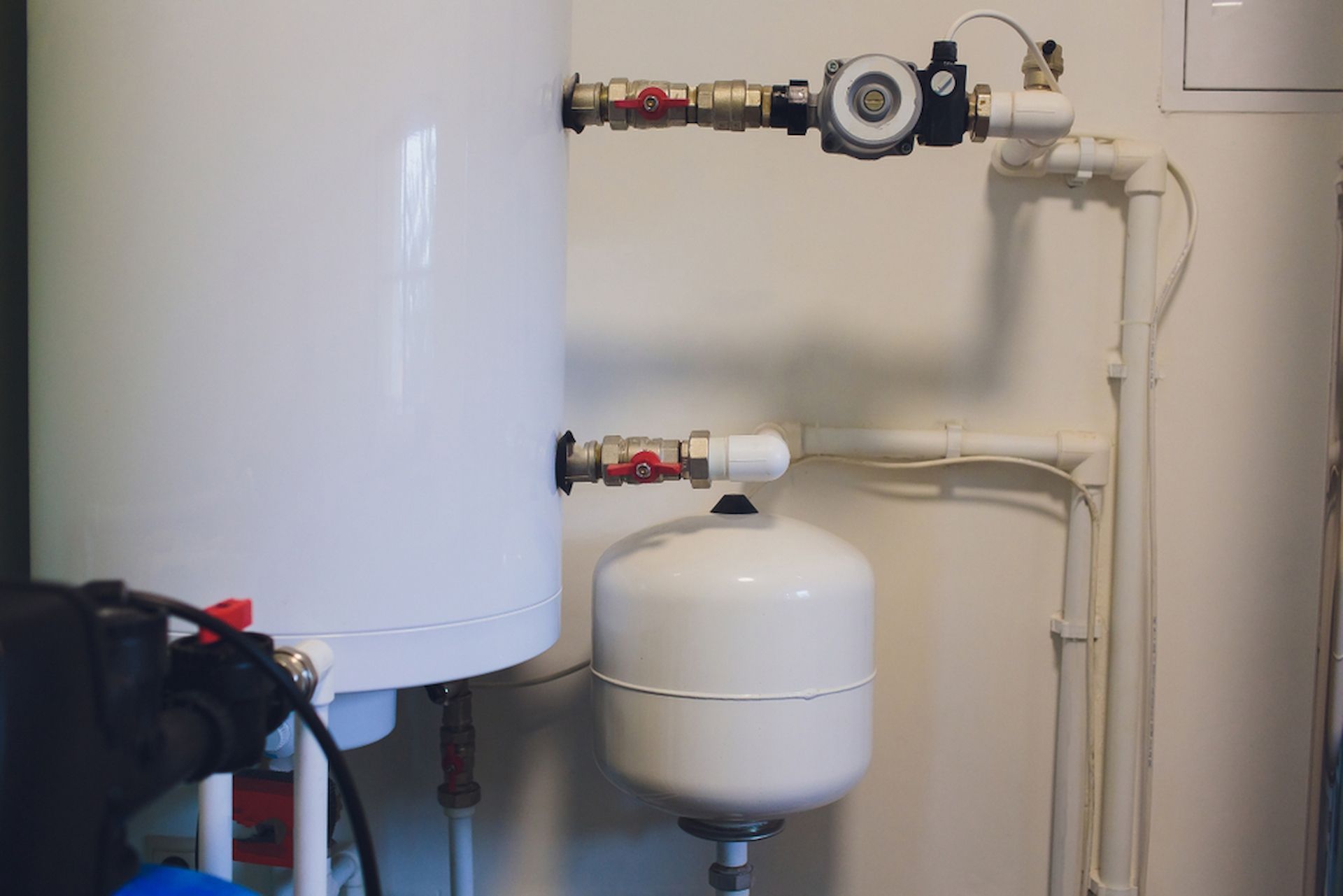
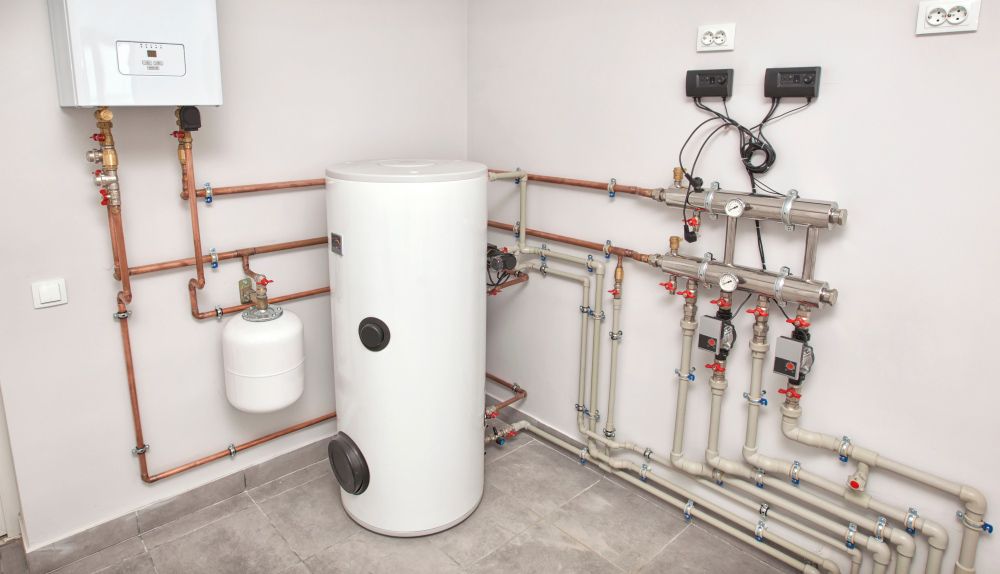
- Hot water system condition, connections and visible signs of deterioration
- Outdoor taps and accessible external plumbing
- Areas where corrosion, damaged fittings or ageing components may require further investigation
Drainage deserves particular attention because problems can exist beyond what is immediately visible inside the home. Slow drainage, recurring blockages, unusual noises or unpleasant drain odours may indicate that further investigation is worthwhile. Where there is reason to suspect a problem within underground or concealed drainage, the plumber may recommend additional diagnostic work, such as a CCTV drain inspection. The appropriate tests will depend on the property and the findings from the initial inspection.
Why Property Buyers Should Get One Before Settling
A pre-purchase plumbing inspection can help buyers understand the condition of a property’s plumbing before settlement. A standard building inspection can identify many property defects, but buyers may choose a dedicated plumbing assessment when they want a closer look at pipes, fixtures, drainage and hot water systems.
So, why get a plumbing inspection before buying a property? Plumbing problems aren’t always obvious during an open home. A tap may run normally while ageing pipework has issues elsewhere, and a toilet may flush even when there are drainage problems that need further investigation.
Consider a fictional example. A buyer is looking at an older Kiama property that appears well maintained, but several drains empty slowly during the plumbing inspection. Further investigation identifies an issue within the drainage system that requires attention. The buyer now has useful information about the property’s condition before proceeding rather than discovering the problem after moving in. An inspection cannot guarantee that a plumbing system will never develop a fault. It can, however, give buyers a more informed understanding of its accessible condition at the time of inspection.
Benefits for Landlords and Property Managers
Plumbing inspections can also support proactive property maintenance for landlords and property managers. Identifying a deteriorating fitting, persistent leak or drainage issue early gives the responsible party an opportunity to organise appropriate repairs before the problem causes greater disruption. Regular attention to plumbing can be particularly useful in rental properties where tenants may notice symptoms without knowing what is causing them. Reports of low water pressure, slow drains, dripping fixtures or inconsistent hot water can warrant professional investigation rather than repeated temporary fixes.
A plumbing assessment can also help with maintenance planning. Instead of responding only when something fails, landlords and property managers can develop a clearer understanding of components that are ageing or showing signs of deterioration. For property managers overseeing multiple homes, having a qualified
Kiama plumber assess recurring plumbing concerns can also help distinguish isolated fixture problems from issues that need broader investigation.
What Happens If Issues Are Found?
Finding an issue during an inspection does not automatically mean extensive repairs are required. Plumbing faults vary considerably in urgency, complexity and cost, so the next step is to understand exactly what was identified.
A plumber should be able to explain the nature and location of the problem, what further investigation may be necessary and whether repairs should be prioritised.
Common outcomes may include:
- Repairing or replacing a leaking fixture
- Replacing worn seals, valves or connections
- Investigating unexplained water pressure problems
- Clearing or diagnosing drainage blockages
- Repairing damaged accessible pipework
- Assessing an ageing or malfunctioning hot water system
- Carrying out further testing where a concealed problem is suspected
For a property buyer, the findings can provide additional information to consider during the purchasing process. Buyers should obtain appropriate property, legal or financial advice if inspection findings could affect contractual decisions. For existing homeowners or landlords, the plumber can explain which concerns need prompt attention and which may simply need monitoring or planned maintenance.
How to Prepare for Your Inspection
Preparing for a plumbing inspection is usually straightforward. The main goal is to make relevant plumbing areas accessible so the plumber can complete the agreed checks efficiently.
Before the appointment:
- Clear access around plumbing fixtures. Remove stored items from beneath sinks, around hot water equipment and near other areas that may need inspection.
- Make a note of recurring problems. Tell the plumber about slow drains, unusual noises, fluctuating pressure, water stains, leaks or hot water issues you have noticed.
- Provide relevant property information. If you know about previous plumbing repairs, renovations or recurring drainage problems, mention them before the inspection.
- Ensure relevant areas are accessible. Locked gates, garages or external areas containing plumbing equipment should be available where they form part of the inspection.
- Ask about the scope beforehand. Confirm what the inspection includes and whether specialist tests, such as drain camera work, are included or would be recommended separately.
Knowing what to expect during a plumbing inspection makes it easier to get useful information from the appointment. The inspection should leave you with a clearer understanding of the plumbing system's condition, any identified concerns and the practical next steps. Whether you are maintaining your home, managing a rental or assessing a property before purchase,
SOS Plumbing can carry out professional plumbing checks and explain the findings in practical terms.
Contact our team to discuss the property, any existing concerns and the type of inspection that suits your situation.
Frequently Asked Questions About Plumbing Inspections
How long does a professional plumbing inspection take?
The time required depends on the property's size, plumbing layout, accessibility and the scope of the inspection. A property requiring additional drainage diagnostics or investigation of a suspected fault may take longer than a straightforward visual and operational assessment.
Is a plumbing inspection the same as a building inspection?
No. A building inspection assesses the broader condition of a property, while a dedicated plumbing inspection focuses specifically on plumbing components and their operation. Buyers may choose both when they want more detailed information before purchasing.
Should I get a plumbing inspection before buying a house?
A pre-purchase plumbing inspection can be worthwhile when you want a clearer understanding of the property's pipes, fixtures, drainage and hot water system. It can be particularly useful for older properties or homes showing signs of leaks, slow drainage or previous plumbing repairs.
Can a plumbing inspection find hidden leaks?
A plumber can identify signs that suggest a concealed leak, such as moisture, staining or unusual plumbing behaviour. Because some pipework is inaccessible, further testing or specialist equipment may be required to confirm the source of a suspected hidden leak.
Does a plumbing inspection include the drains?
Drainage is commonly considered during a plumbing inspection, but the exact scope varies. If there are signs of an underground or concealed drainage problem, the plumber may recommend additional testing such as a CCTV drain inspection.
What should I do after receiving the inspection findings?
Review which issues require immediate repairs, further investigation or ongoing monitoring. If you are buying a property, consider the plumbing findings alongside your building inspection and appropriate professional advice before making contractual or financial decisions.